previous venture · 2015–2023
Bio Union
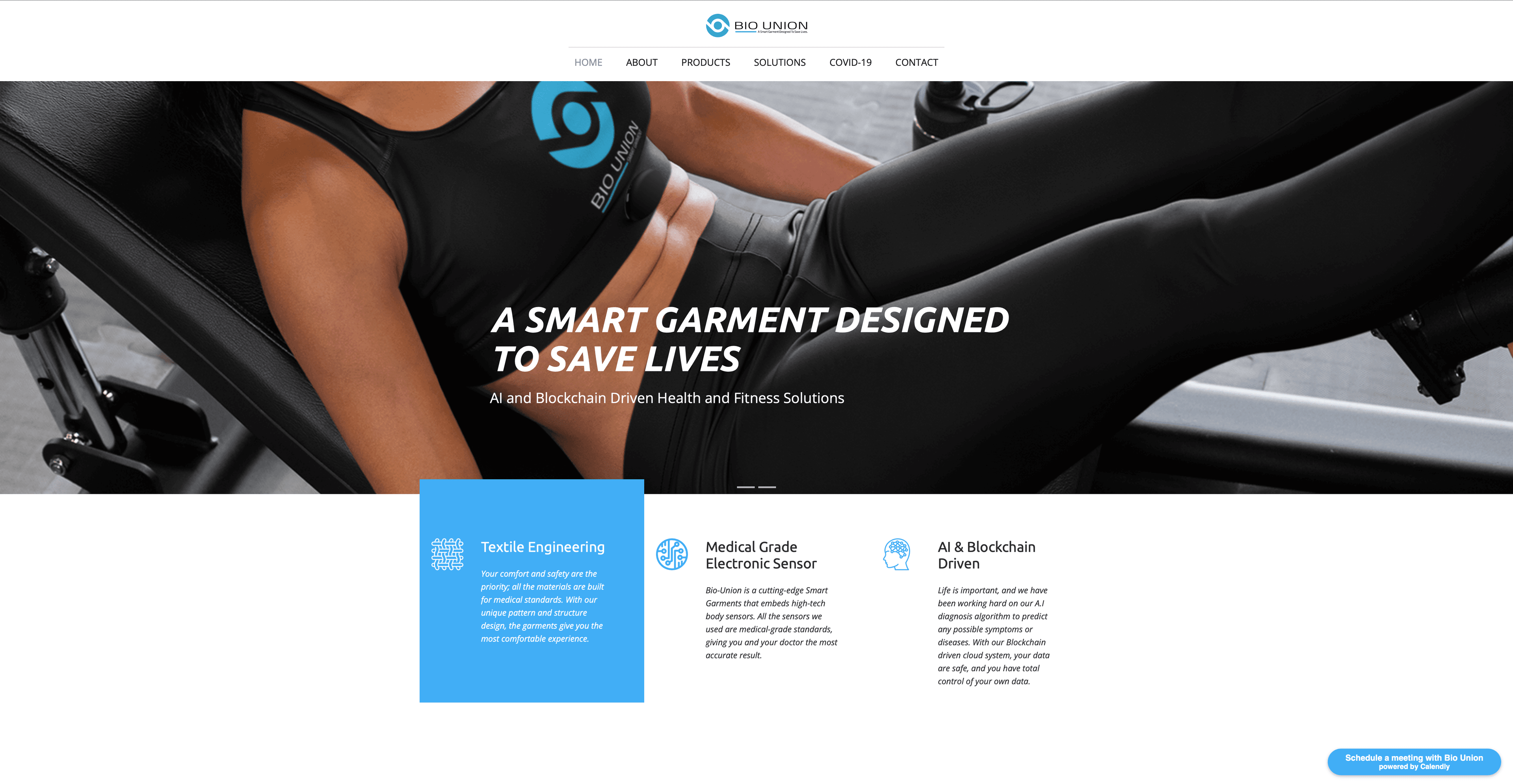
Bio Union explored how ECG sensing could move from a short clinical encounter into clothing designed for everyday wear. As founder, I helped shape a connected system spanning garment construction, printed electrodes, a removable sensing device, signal processing, mobile experiences, and service models.
Problem
Health data is often captured in short clinical windows or through consumer devices not designed for sustained monitoring.
Role & Contribution
Founder, Product Development Lead
Duration
2015–2023
Status / Outcome
previous venture
Historical Project Notice
A retrospective on the Bio Union smart garment project (documented activity through 2023). This case study presents the original vision, physical prototypes, and design principles for an integrated ECG wearable system.
The human and system problem
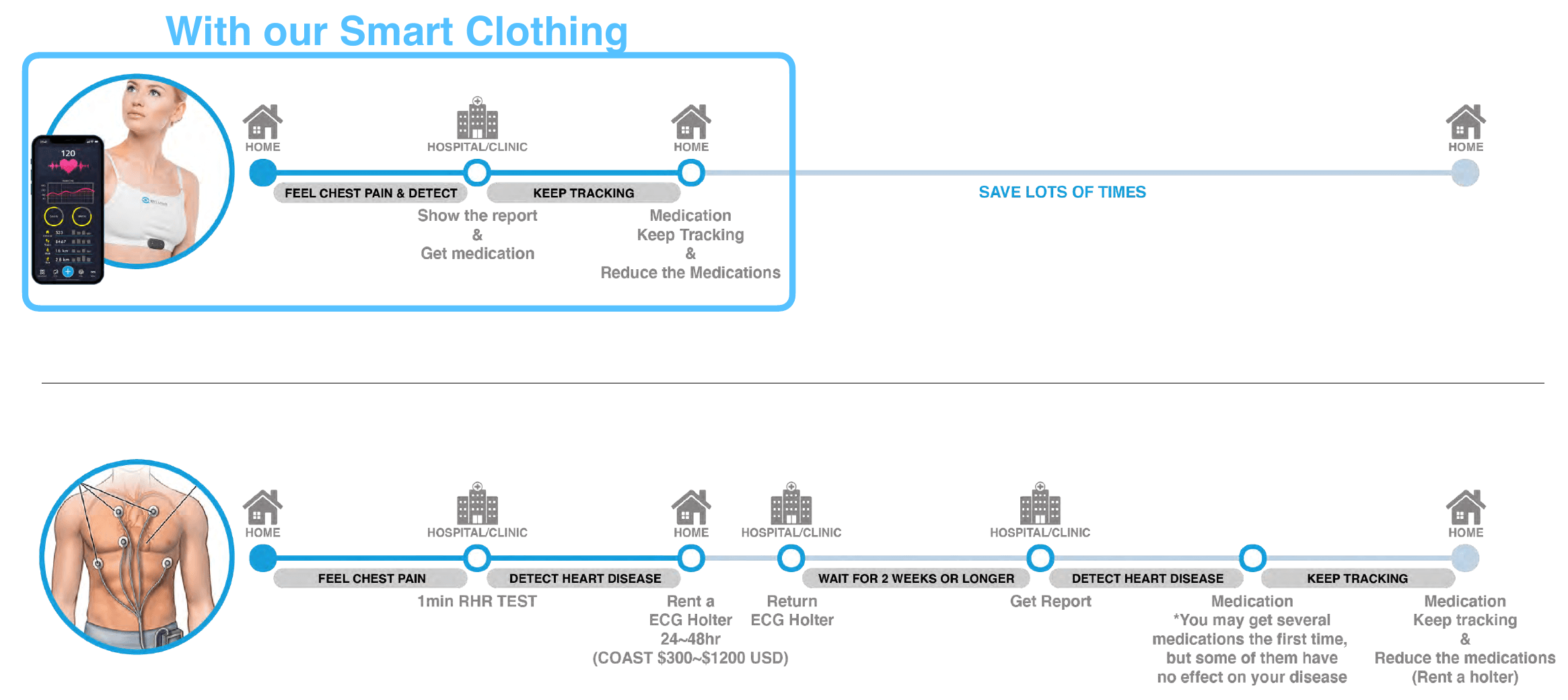
Health data is often captured in short clinical windows or through consumer devices that may not be designed for every monitoring need. Bio Union asked whether a familiar object — clothing — could make longer-duration sensing easier to integrate into everyday routines.
Our exploration was driven by the friction of separate electrodes, wires, patches, and complex setup processes, aiming to improve comfort and adherence, and better connect home data with professional follow-up.
The product thesis: clothing as an interface
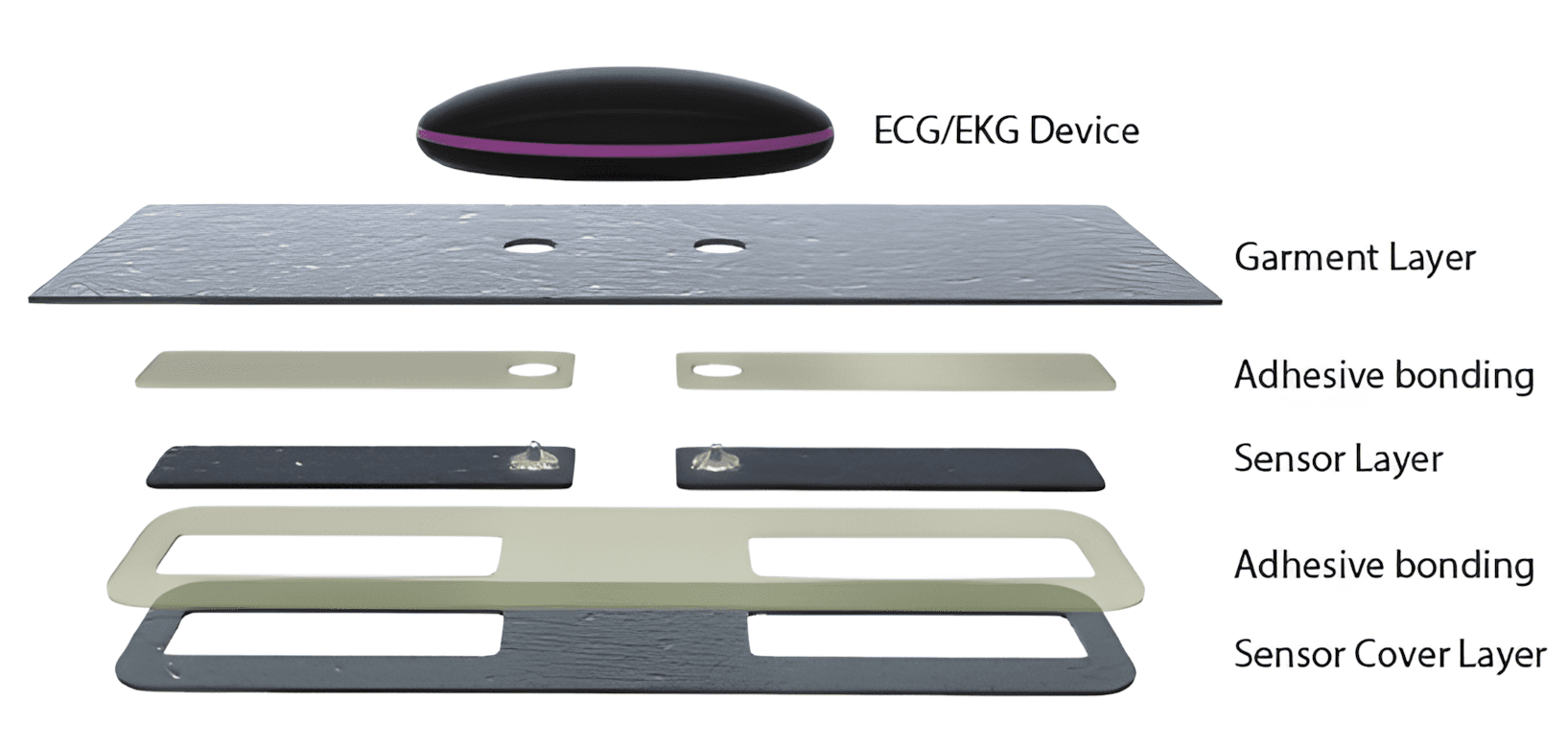
Textiles contact a large area of the body and are already part of daily routines. We hypothesized that garment pattern and material decisions could stabilize sensor placement. A removable device separates electronics from washable textile components, while a connected application translates captured signals into a usable experience.
Choosing a sensing approach around the monitoring context
The team explored whether electrodes integrated into a close-fitting garment could support sustained ECG capture with less dependence on a user holding or positioning a separate device.
This required navigating the trade-offs between a close-fitting garment, comfort, movement, washability, and signal quality.
Designing the garment around movement
The smart garment was designed with single-lead garment construction, using printed conductive paths and electrodes. A front and back placement along with a chest-mounted removable device ensured a close but comfortable fit explicitly aimed at reducing movement at the sensing area.
Hardware evolution: Leap M series
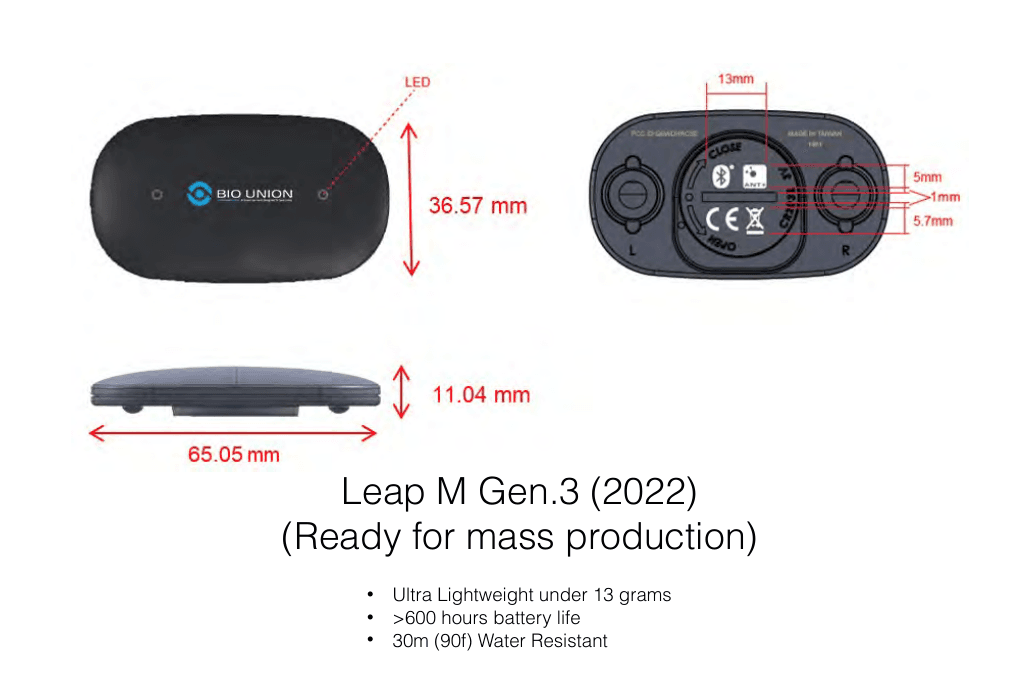
To make the system washable, all processing and transmission electronics were isolated in a removable pebble-sized unit called the Leap M. As the project progressed, the hardware evolved to become smaller and lighter while improving battery life.
From signal to experience
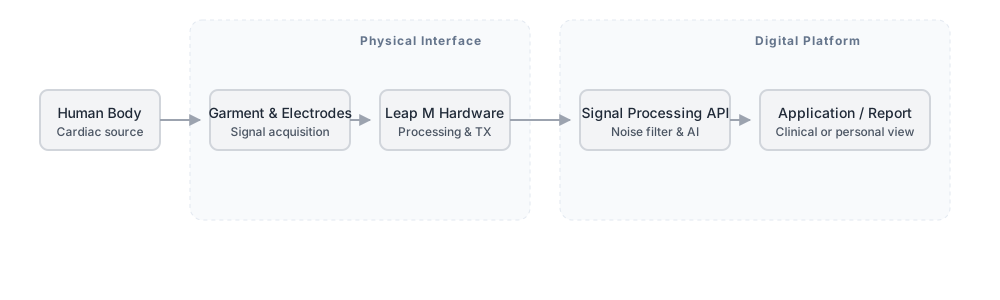
The platform was conceptualized to process various signals into a coherent user experience. We mapped out a complete wearer journey to ensure smooth usage from capturing a session to professional follow-up.
Journey: Wear garment → confirm sensor connection → capture session → review signal/data summary → share or export report → follow up
Product principles
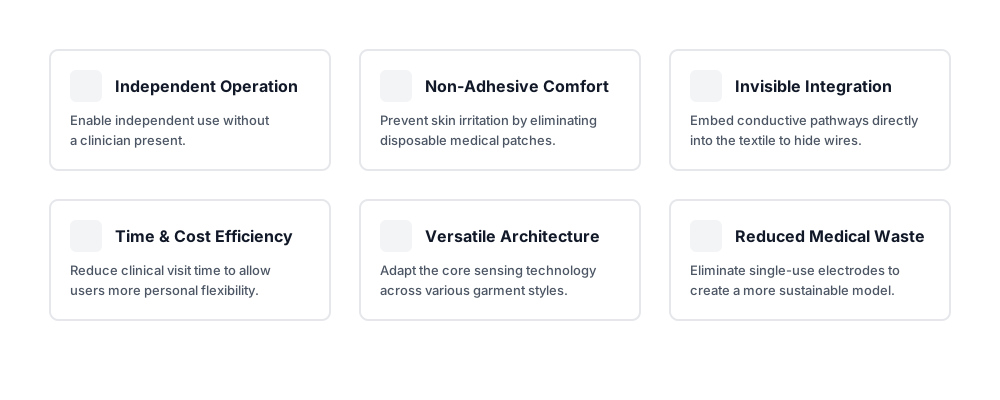
The Bio Union architecture was guided by several core design goals meant to translate technical advantages into user benefits:
Service ecosystem
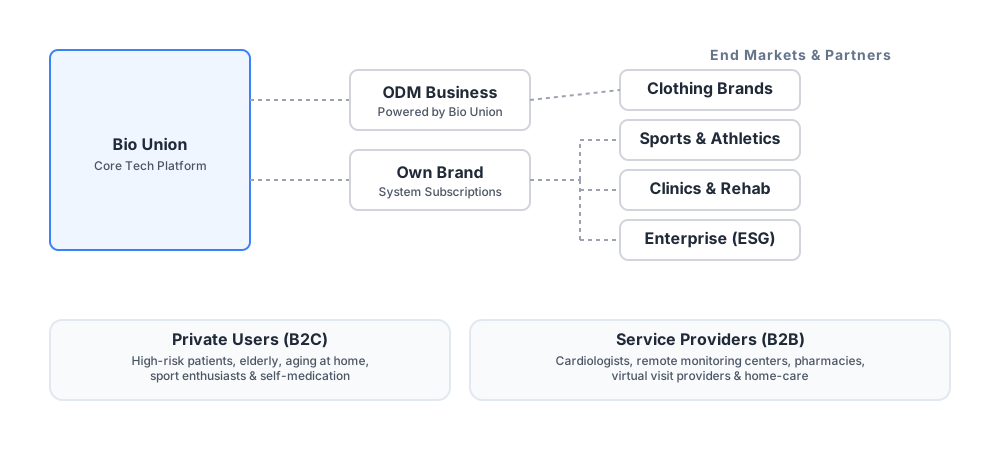
Bio Union explored a comprehensive B2B2C business model that positioned the core technology platform as an enabler for both consumer end-markets (such as sports and elderly care) and service providers (like clinics and virtual visit providers).
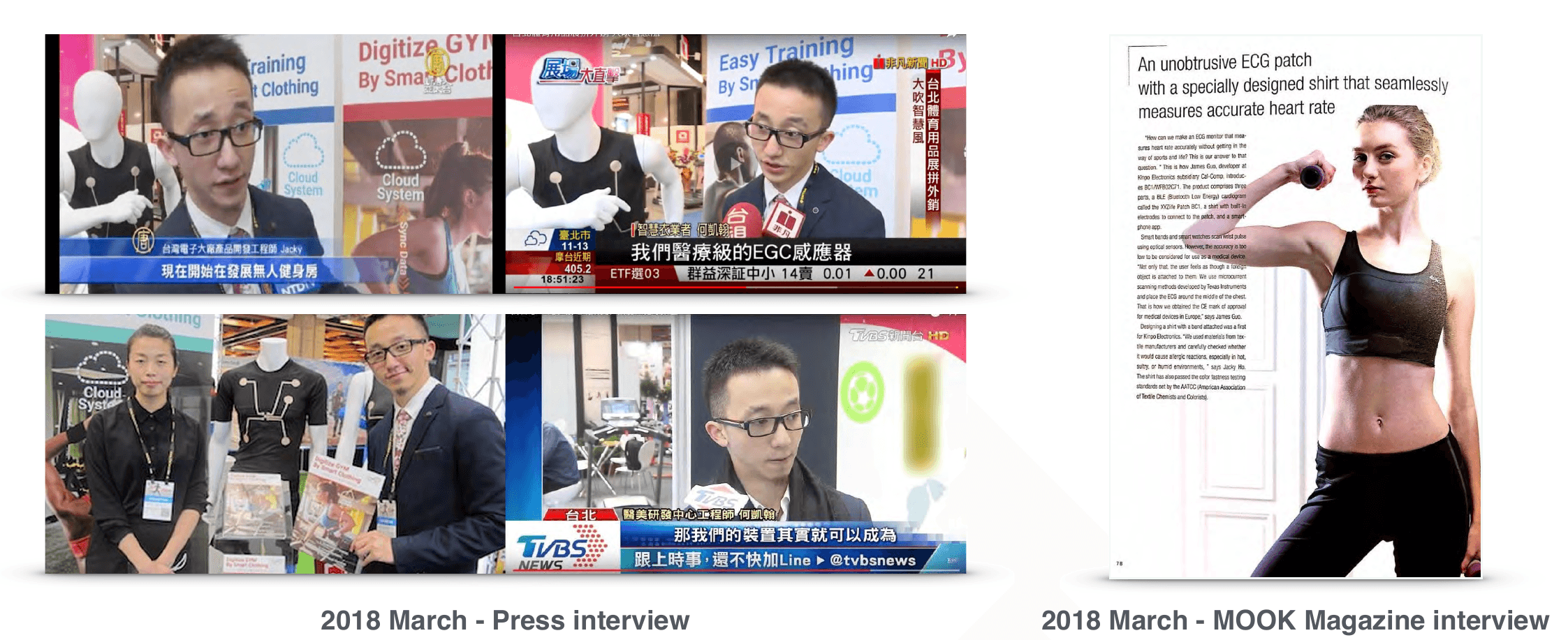
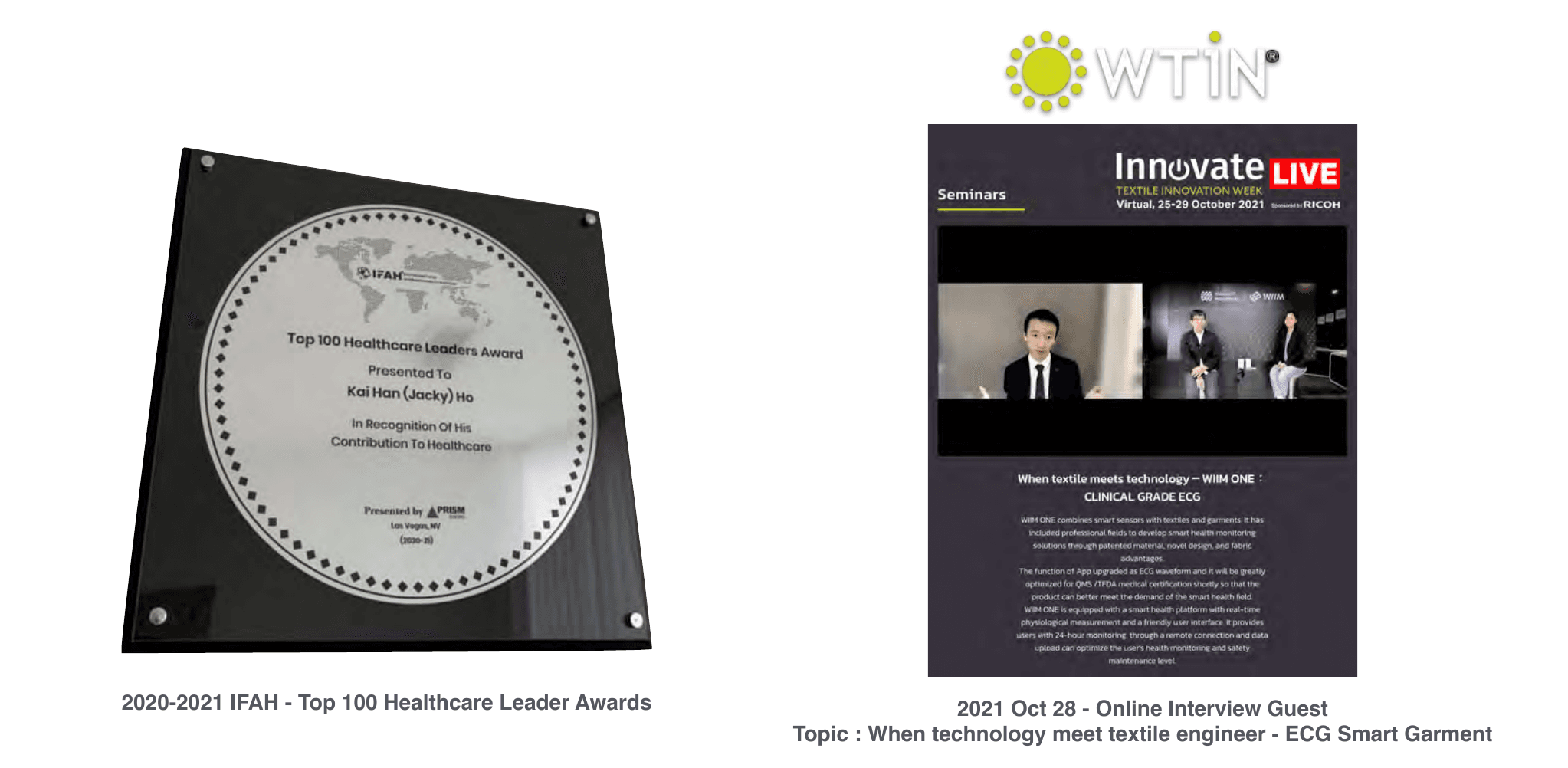
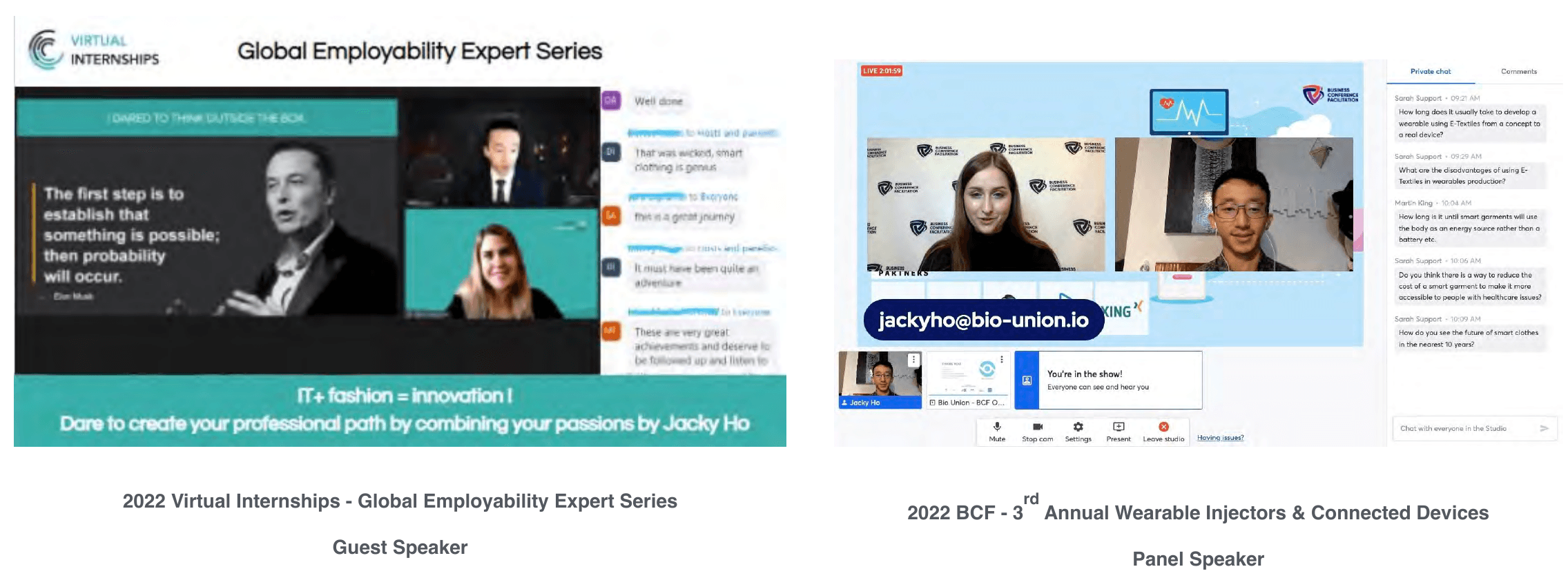
Public presence and milestones
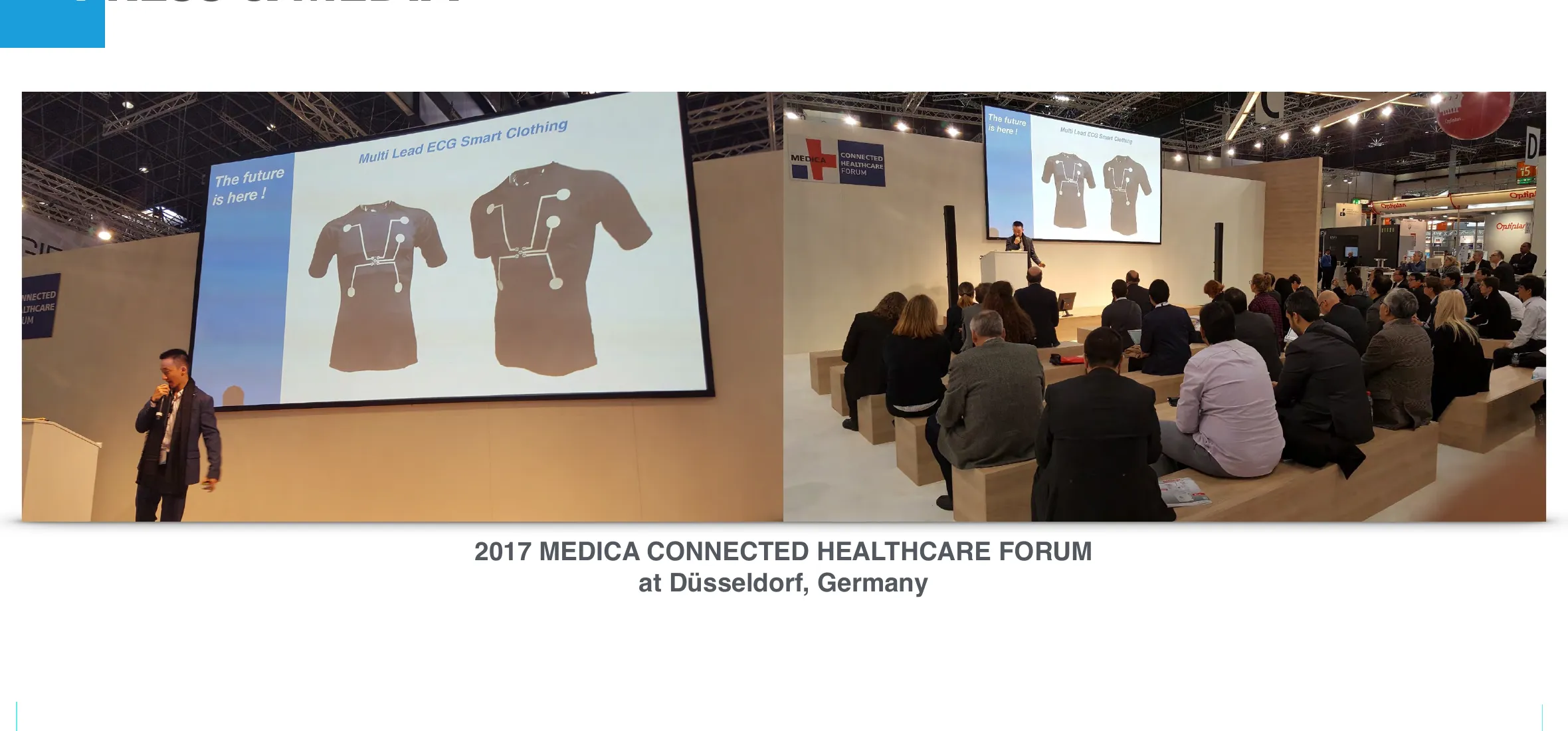
Throughout its documented history, Bio Union established a public presence to validate the concept and engage with the medical technology community.
Outcome and Reflection
Building Bio Union was an intensive exploration of how hardware, textiles, and software can seamlessly integrate into daily life. Although the landscape of wearable technology continually shifts, the core belief that technology should adapt to humans — not the other way around — remains central to my practice.